
Bullying Is Not Just a School Thing, It’s a Community Thing
By: Greg Scheitel, LSW, Mental Health Consultant SW/WC Service Cooperative
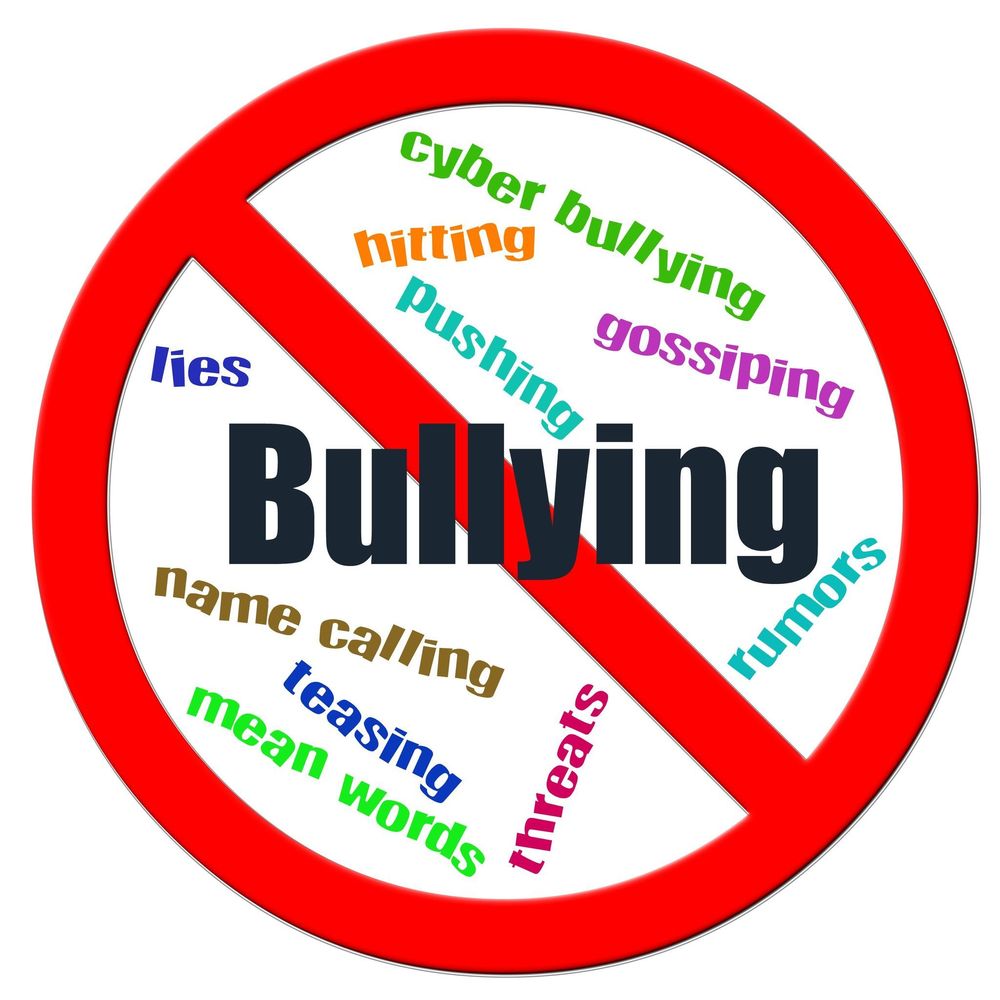
When we talk about bullying there are so many things that come up. Whether it be name calling, making a comment or gesture while passing, posts on social media, leaving someone out on purpose, spreading rumors, damaging property, punching them in the arm on their way to somewhere, and many more. We can all name several things that rise to what people call bullying. This happens frequently and is passed off by those offenders as messing around, joking, “we’re just friends,” or “I didn’t mean it that way,” but in many cases it is not a joking manner and can lead to serious harm.
What is bullying?
The definition of bullying according to the Center for Disease Control (CDC) is “unwanted aggressive behavior(s) by another youth or group of youths, who are not siblings or current dating partners. It involves an observed or perceived power imbalance and is repeated multiple times or is highly likely to be repeated.” (The Center for Disease Control, Youth Violence Prevention, 28, October 2024. https://www.cdc.gov/youth-violence/about/about-bullying.html)
Bullying is a serious community epidemic that affects us all whether directly or indirectly. It can also have a profound effect on a person’s health, leading to psychosomatic challenges such as headaches, stomach pain, sleeping problems and poor appetite. It can also lead to mental health challenges such as anxiety, depression, non-suicidal self-harm, and suicidal thoughts and attempts. (Bullying prevention and response training and continued education online program. 2012. www.stopbullying.gov)
About 1 in 5 (20%) high school students have reported being bullied at school and 1 in 6 (17%) report being bullied electronically in the past year. This increases at middle school age where a national survey found that 28% of middle school students (5 th - 8 th grades) reported bullying at least once a week while 37% of middle schoolers shared that cyberbullying happening at least once a week. (The Center for Disease Control, Youth Violence Prevention, 28, October 2024. https://www.cdc.gov/youth-violence/about/about-bullying.html )
So, what are we doing?
For starters, there are federal laws that prohibit bullying when it becomes discriminatory such as Title VI or the Civil Rights Act of 1964 and the Individuals with Disabilities Education Act (IDEA). The state of Minnesota (Safe and Supportive Minnesota Schools Act MS 121A.031) defines and prohibits bullying in Minnesota schools, requires that school districts to have anti-bullying policies in place, and requires school districts to educate students on bullying and bullying preventative strategies.
Here at Murray County Central Schools, there are tools and education available to students and their families. For starters we have a safety committee, provide Social and Emotions Learning (SEL) that focuses on safety, positive relationships, friendships, problem solving, and identifying bullying behavior. We also provide individual social skills, counseling time, small groups, provide a place to report bullying (bullying report form) as well as building relationships with students. But this is not enough to tackle the bullying epidemic. We need everyone’s help.
Things we can do.
Because bullying crosses all socioeconomic groups, races, and ethnicities, and many times it starts or continues outside of the school, we need EVERYONE to battle against it. As adults, we can be more available and present for our children. Spend time talking with them, modeling positive social behavior, encouraging them to be involved (in community/church/school activities), be available for questions, encourage positive social behavior, and talk about bullying. Our children are more often willing to share when something is happening when they know they are being listened to without fearing consequences. When we model how to treat others with kindness, respect, empathy, and encourage kids to be involved in what they love to do, it builds confidence, makes friends, encourages thoughtfulness, and helps build self-advocacy and advocacy skills. (www.stopbullying.com)
Students can help stop bullying by being available for conversations with peers, respond intentionally with kindness acceptance and inclusion, redirect the situation, and talk with a trusted adult. It is important that we allow students to speak up, as this builds confidence and advocacy as well as self-advocacy skills. Encouraging them to talk with adults they trust is important. By doing this, students get support navigating social circles and may need an adult to continue to address it positively and think of things about which they are not aware. (Bullying 101: guide for middle school and high school students. 2023. Teens against bullying. The Pacer Center www.pacer.org/bullying)
In our community we can do this by condemning bullying behavior and being a safe community where all feel connected. We show this by caring about each other, supporting one another, being available for everyone, and encouraging community involvement. This is difficult work, but we can do this by hosting and attending community events, collecting data, publishing the findings, and making coordinated efforts amongst our community and business leaders, parents, students, and community resources to continually address bullying and strive to be a connected community.
Together, we can create a resilient community and school where every student feels supported, confident, connected, and ready to thrive academically, emotionally, socially, and spiritually. If you’d like more information don’t hesitate to connect with me at Murray County Central Schools at 507-836-6184 or greg.scheitel@mcc.mntm.org